
When Waste Becomes a Resource
Clallam County Solid Waste Advisory Committee Recap | July 22, 2026

Standard Disclaimer: This newsletter is written in my capacity as an individual Port Angeles City Councilmember, Position 7. It represents my personal views, research, and understanding of municipal issues. It is not an official statement on behalf of the Port Angeles City Council or the City of Port Angeles. In compliance with the Washington State Open Public Meetings Act, comments are disabled to ensure that Council deliberation and public business remain within noticed public meetings. Please be advised that any communication sent to me regarding City business, including emails to jhamilton@cityofpa.us, may be considered a public record subject to disclosure under the Washington State Public Records Act.
I serve as the City of Port Angeles representative on the Clallam County Solid Waste Advisory Committee. The committee reviews regional solid-waste issues and advises on the countywide solid-waste plan. It does not independently set City utility rates, approve City contracts, or direct City employees.
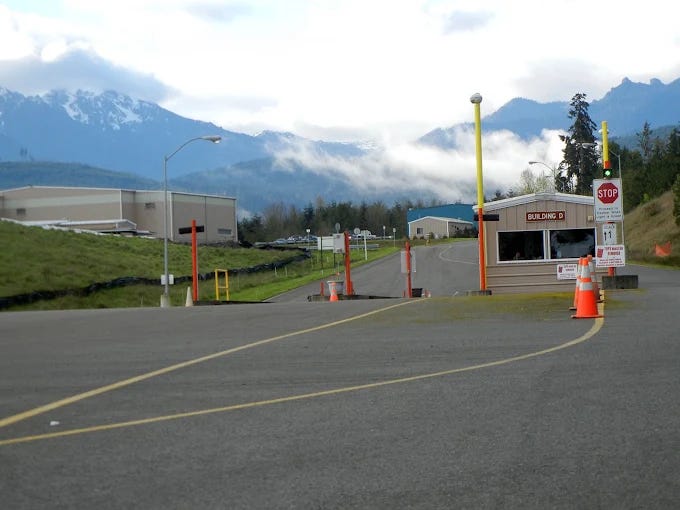
Most of us stop thinking about an item once it goes into the garbage or recycling.
We roll the cart to the curb, a truck picks it up, and the material disappears from view.
But it does not really disappear.
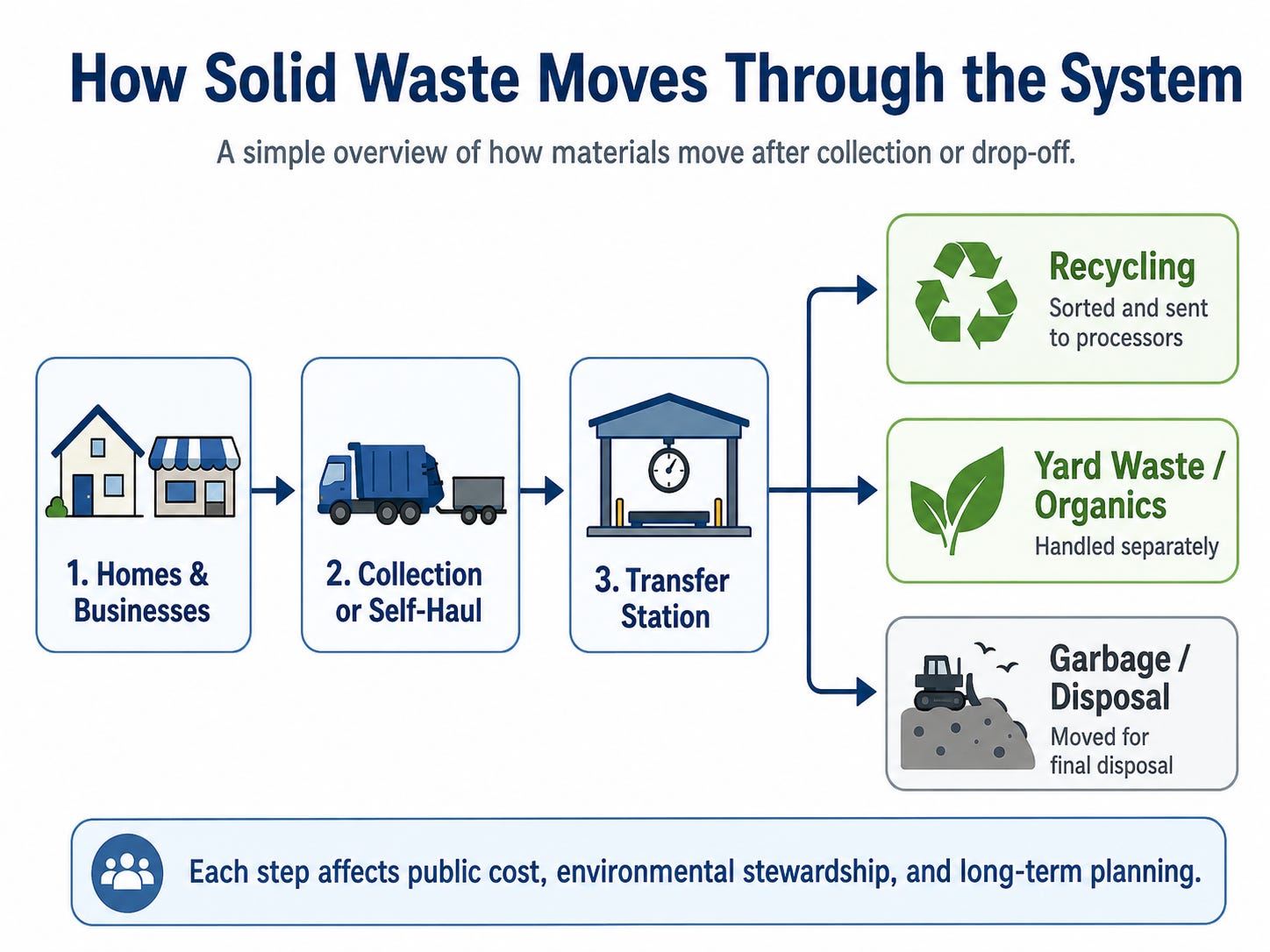
From there, it enters a larger system involving collection trucks, transfer stations, compost facilities, processing plants, recycling markets, contracts, utility rates, environmental rules, transportation costs, and companies willing to accept or reuse recovered materials.
The July 22 meeting of the Clallam County Solid Waste Advisory Committee helped bring that larger system into focus.
The committee continued its work on the countywide Comprehensive Solid Waste Management Plan, heard updates about recycling, composting, and hazardous-waste programs, and received a detailed presentation on industrial symbiosis from State Senator Mike Chapman and Port of Port Angeles Commissioner Colleen McAleer.
Industrial symbiosis was the part of the meeting that stayed with me most.
The term sounds technical, but the basic idea is easy to understand:
Something one business treats as waste may be something another business can use.
That could mean recovered cardboard becoming raw material for a paper mill. It could mean wood waste becoming fuel. It could mean excess heat helping power another process. It could also mean several businesses sharing equipment or infrastructure that none of them could reasonably build alone.
The discussion connected solid waste with economic development, industrial jobs, environmental stewardship, utility infrastructure, the future of the McKinley mill site, and the prices residents pay through both public utility systems and everyday purchases.
There was a lot to unpack.
What the Committee Is Planning
The Clallam County Solid Waste Advisory Committee brings together representatives from the County, incorporated cities, Tribal governments, agriculture, businesses, the waste industry, environmental programs, and the public.
I attended as the Port Angeles City Council representative. Port Angeles Public Works Director Scott Curtin also participated and provided information about the City’s solid-waste and recycling operations.
The committee’s role is advisory. It reviews solid-waste issues, receives reports from organizations working throughout the county, and helps guide updates to the Comprehensive Solid Waste Management Plan.
Some decisions belong to Clallam County. Others belong to Port Angeles, Sequim, Forks, Tribal governments, private companies, or the state. The committee helps connect those pieces, but it does not make every final decision discussed at its meetings.
At this meeting, the committee did not set a new utility rate, approve a new transfer station, decide the future of the McKinley site, or adopt a state recycling fee. It gathered information and continued shaping a regional planning document that may guide future recommendations and decisions.
The Countywide Solid Waste Plan
Clallam County is currently updating its Comprehensive Solid Waste Management Plan.
The plan is the regional roadmap for how garbage, recycling, organics, hazardous materials, and other waste streams will be managed over the coming years.
It describes the existing system, identifies future needs, reviews possible improvements, and helps guide facilities, programs, permitting, and eligibility for certain funding opportunities.
The committee continued reviewing portions of the draft dealing with the planning area, collection systems, current facilities, population growth, future capacity, and coordination with Tribal and industrial systems.
Several practical questions came up:
Where is population growth occurring?
Will the existing location of facilities continue to make sense?
How can recycling and composting become more accessible?
How should affordability be addressed?
How should Tribal, commercial, and industrial systems fit into the regional plan?
What changes in state law need to be reflected?
Which recommendations from the previous plan still make sense?
One issue was whether more solid-waste infrastructure may eventually be needed farther east in the county.
Port Angeles currently has major transfer infrastructure, but much of the county’s recent growth has been closer to Sequim. That can create inefficient transportation patterns if material moves west and later has to travel back east or farther away for processing.
No new facility was proposed or approved during the meeting. The committee was identifying a question the plan needs to address:
As the county grows, where should future solid-waste facilities and services be located so the system remains practical, affordable, and reliable?
The discussion also touched on redundancy. If one major facility becomes unavailable because of equipment failure, a road closure, or another emergency, is there another place capable of handling the material?
Those are the kinds of questions a comprehensive plan should help answer before a crisis forces the issue.
What Is Already Changing Locally
Before the main presentation, the committee heard several reports showing how solid-waste policy becomes day-to-day work.
Port Angeles Recycling Equipment
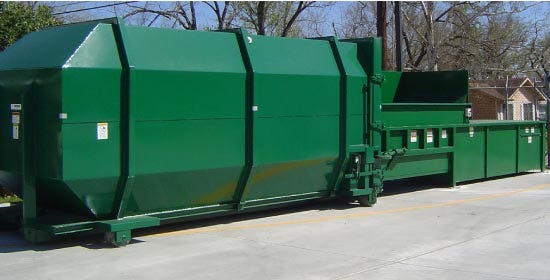
Port Angeles is continuing to work toward installing a recycling compactor and baler at the existing composting facility.
A compactor reduces the amount of space loose material takes up. A baler compresses recyclables into dense, uniform bundles that are easier and less expensive to transport.
That may sound like a small operational change, but transportation is one of the largest costs in a rural solid-waste system.
Loose recycling can fill a truck by volume before the truck reaches its weight capacity. That means more trips, more fuel, more staff time, and more wear on vehicles.
Once the new equipment is operating, the City may be able to move more material with fewer trips and reach closer or more competitive recycling markets.
It also reinforces something I think is easy to overlook:
Putting an item in a recycling bin does not mean the item has already been recycled.
The material still has to be collected, prepared, transported, accepted by a processor, and turned into something new.
If there is no end market, recycling becomes transportation and storage rather than true material recovery.
Hazardous Waste on the West End
Clallam County also reported that work is continuing on a household hazardous-waste collection event for the West End.
Household hazardous waste includes materials such as paint, solvents, pesticides, corrosive cleaners, automotive fluids, and other products that should not go into ordinary garbage or down a drain.
Access matters in a geographically large county.
A program that works well for residents near Port Angeles may be much less useful for someone who must drive a long distance from the West End. Special collection events can bring services closer to residents who otherwise have limited options.
Tribal Planning
The Jamestown S’Klallam Tribe is also developing its own integrated solid-waste plan.
That work includes reviewing waste streams from Tribal government operations and enterprises and identifying ways to improve recycling and material management.
The committee discussed the value of connecting the countywide plan with Tribal planning without replacing or overriding the Tribe’s own work.
The goal is coordination where systems overlap.
Food and Yard-Waste Composting
The committee also heard from local compost operators.
SisterLand Farms reported that it is on pace to collect more than 65 tons of kitchen waste from Port Angeles this year. Only a few years ago, the operation was collecting about three tons.
That growth shows real public interest in keeping food waste out of the garbage stream. It also shows how quickly a successful program can reach the limits of its land, equipment, labor, and financing.
More volume requires safer processing equipment, more capacity, moisture control, fire prevention, contamination management, and reliable customers for the finished compost.
Lazy J Tree Farm described a much larger yard-waste composting operation handling thousands of tons of material.
That discussion quickly moved into water.
Composting depends on moisture. If piles become too dry, the biological process slows and fire risk may increase. If they become too wet, runoff and other problems can develop.
That is a good example of how waste systems connect with other public concerns. Composting is not only about collection. It also involves water, land, equipment, fire prevention, environmental health, and the practical experience of the people doing the work.
The discussion also raised a broader concern: regulations written for very large commercial facilities can have very different effects on small farms and community-scale programs.
Rules may be necessary for safety and environmental protection, but the scale of the operation should be part of the conversation.
Industrial Symbiosis: Turning Waste into a Resource
The largest presentation of the meeting focused on industrial symbiosis.
Senator Chapman and Commissioner McAleer explained what it means, what Washington has been doing to support it, and what opportunities may exist in Clallam County.
Industrial symbiosis is a formal name for a simple idea:
The unused output of one operation becomes a useful input for another.
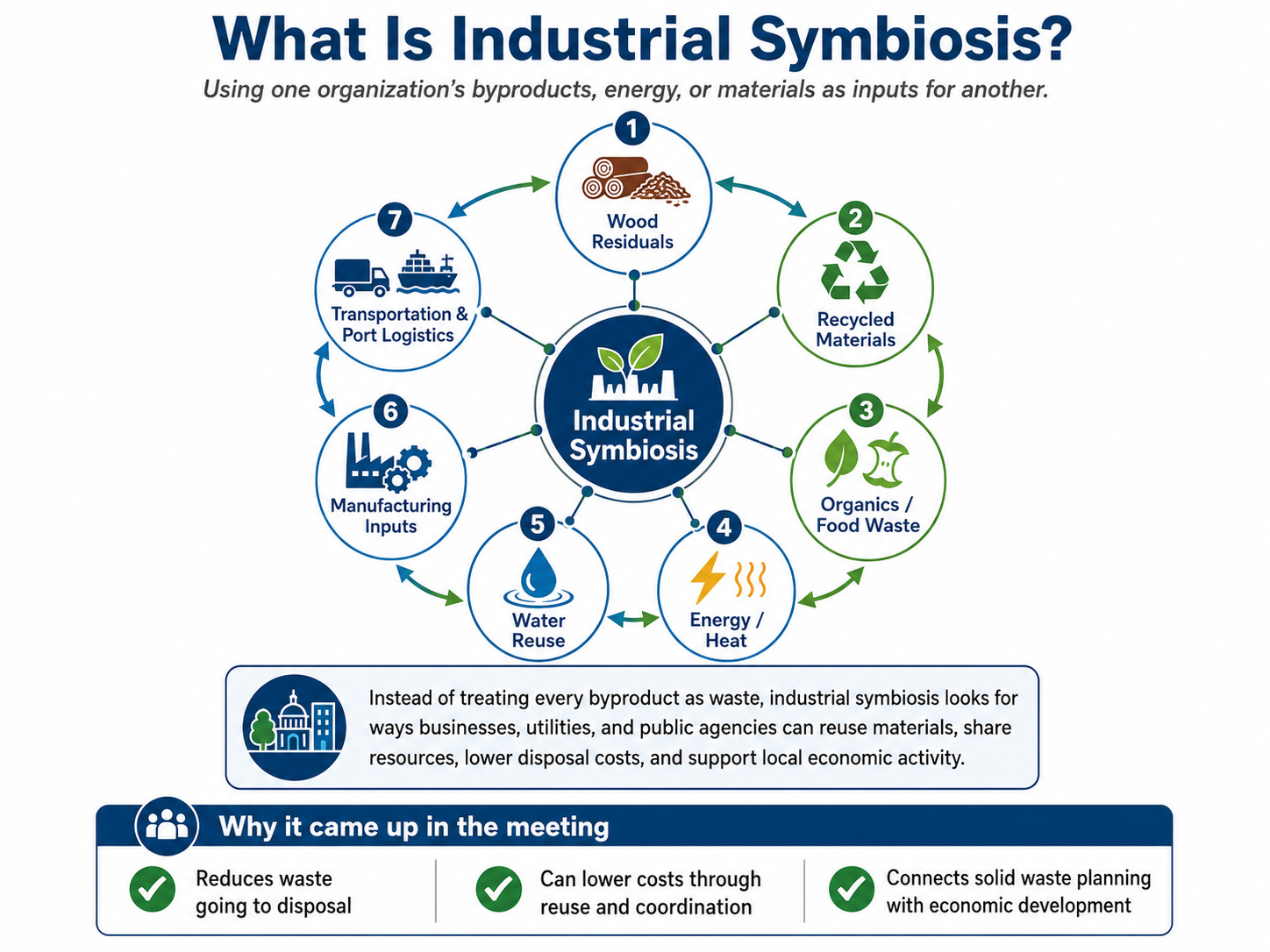
Sometimes that output is a physical material such as wood waste, cardboard, ash, food residue, or a manufacturing byproduct.
Sometimes it is heat, steam, water, energy, transportation capacity, storage, or specialized equipment.
The word symbiosis comes from biology, where it describes a close relationship between different organisms. In an industrial setting, it describes businesses or facilities that become more efficient by connecting what they produce, need, or discard.
A Simple Example
Imagine a wood-products company that produces large amounts of sawdust and bark.
The company may have to pay to haul that material away.
A nearby business may need woody material to make energy, biochar, mulch, compost, or another product.
If the two businesses can agree on quality, quantity, price, transportation, and permits, the first business avoids some disposal cost and the second receives a useful raw material.
The material has not changed.
What changed is whether the system treats it as waste or as a resource.
Industrial symbiosis can also involve shared infrastructure.
A large business may have enough volume to support a kiln, treatment system, warehouse, or marine terminal. A smaller business may need access to the same equipment but not have enough production to build it alone.
Sharing that capacity can make both operations more competitive.
Why Ports and Industrial Areas Are a Natural Place to Start
Ports are often a good place to look for these opportunities.
They already manage industrial land and may have roads, marine access, utilities, storage, freight connections, and businesses located near one another.
That can make it easier to connect waste streams, transportation, and shared equipment.
Senator Chapman described industrial development in rural communities as something often measured one job at a time.
Ten jobs in a rural area can have a much larger effect than the same number of jobs in a major city.
His interest in industrial symbiosis is therefore not only environmental. It is also about rural economic development and creating more reasons for businesses to locate and remain here.
Examples from Denmark
Chapman described a trip to Denmark where he saw industrial symbiosis operating at a larger scale.
One example involved agricultural waste.
Dairy farms produced manure and other organic material. Instead of treating it only as an odor or disposal problem, the material was collected and converted into energy.
The gas could then be returned to nearby communities as a heat source.
That created several benefits at once:
Farmers had a productive use for material they needed to manage.
Communities received energy.
Odor was reduced.
Organic waste stayed within a regional system.
Transportation and processing were coordinated.
He also described breweries working with farms to reuse brewing byproducts.
In another example, businesses locating in an industrial park were expected to identify partners that could use their waste streams.
Washington is not Denmark. Our laws, geography, business culture, and public institutions are different.
But the examples show what can happen when waste, energy, water, transportation, and economic development are treated as parts of the same system.
Why It Can Be Difficult
Industrial symbiosis sounds simple, but making it work can be complicated.
A material may be reusable in theory but too expensive to transport.
Many residual materials are heavy, bulky, and low in value. A reuse opportunity may work if two companies are three miles apart but fail if the material must be trucked 200 miles.
Quality also matters.
Food waste may contain plastic. Wood waste may include treated or painted material. Recycling may contain contaminants that damage equipment or reduce the value of an entire load.
Businesses also need reliability.
If one company depends on another business’s byproduct, what happens if the supplier closes, reduces production, or changes its process?
Permitting and environmental protection still apply.
Calling something a resource does not remove land-use, air, water, solid-waste, shoreline, or environmental requirements.
A successful project has to be safe, lawful, financially realistic, and environmentally preferable to the available alternatives.
What Is Already Happening in Port Angeles
Industrial symbiosis may be a new phrase to many of us, but the basic idea is already part of Port Angeles’ economy.
Recycled Fiber at McKinley
The McKinley mill used recovered cardboard and other recycled fiber to manufacture containerboard.
That is circular manufacturing in a direct form.
Material collected through recycling systems became the raw material for a new industrial product.
The mill’s closure affected workers, City utility use, the local economy, and the regional market for recovered fiber.
It also showed why recycling depends on manufacturing.
Residents can carefully sort cardboard, but the system still needs companies willing and able to use it.
Hog Fuel and Energy
The mill also used woody residuals, often called hog fuel, as part of its energy and steam system.
Hog fuel can include bark, chips, sawdust, and other wood-processing residue.
Instead of paying to dispose of all of that material, it can become a fuel source under properly designed and permitted conditions.
That does not make every form of combustion automatically beneficial. Air emissions, equipment, fuel quality, and environmental rules still need to be considered.
But it is a clear example of an industrial byproduct becoming part of another productive process.
Composite Recycling
The Composite Recycling Technology Center provides another local example.
Waste carbon-fiber material can be studied, processed, and used to create new products rather than being treated only as landfill material.
That expands the idea of recycling beyond bottles, cans, cardboard, and newspapers.
It also connects waste reduction with research, advanced manufacturing, and local employment.
Shared Kiln Capacity
Commissioner McAleer also discussed the possibility of local wood-product businesses sharing kiln capacity.
A kiln dries lumber to a controlled moisture level.
A large operation may have enough volume to justify building one. A smaller manufacturer may need kiln-dried material but not have enough production to support that investment alone.
A shared facility could reserve most of its capacity for a larger user while making some capacity available to smaller businesses.
That is industrial symbiosis through shared infrastructure rather than a direct exchange of waste.
The McKinley Site and Local Industrial Opportunity
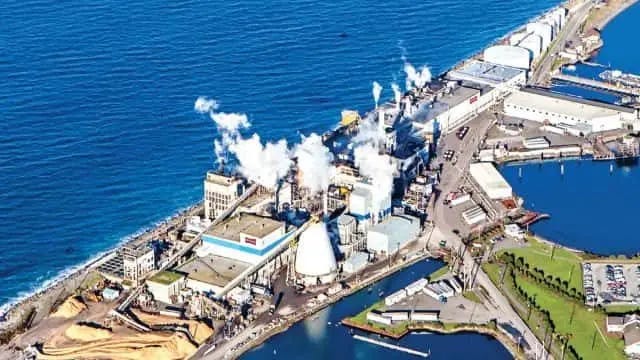
Commissioner McAleer spent a significant part of the presentation discussing the former McKinley mill site.
The property is important to Port Angeles because it includes industrial land, buildings, utilities, marine access, and equipment developed over many years.
It also carries uncertainty.
Some systems may still be useful. Others may be outdated, damaged, or expensive to restore. Environmental conditions, ownership decisions, market demand, utility needs, and startup costs all need to be understood.
McAleer described the site as both difficult and full of possibility.
She discussed an interested local investor who has been willing to look beyond the obvious problems and examine what parts of the property may still have value.
She also described the possibility of thinking about the site more broadly.
Instead of asking only whether one traditional paper-mill operation can restart exactly as it existed before, the question could become:
Could several connected businesses use the site, its infrastructure, and one another’s byproducts in a way that creates a more diverse and resilient industrial operation?
Possible activities discussed included:
Forest-products manufacturing.
Wood drying.
Biochar.
Energy generation.
Woody biomass use.
Waste-heat recovery.
Shared infrastructure.
Marine transportation.
Research and product development.
These are possibilities, not commitments.
Any redevelopment would still require private financing, environmental review, permits, utility analysis, and an open public process for any future City decisions or agreements.
The City Council should not select a private business model or prejudge future permit applications.
Our role is to establish clear policy, protect public resources, ask informed questions, and evaluate any future City participation through the proper legislative and budget process.
Woody Biomass
The meeting also highlighted a growing regional problem.
There is a large supply of woody biomass with fewer places able to use it.
That includes material generated by forestry, land clearing, wood manufacturing, and other operations.
When a major buyer or industrial user closes, the material does not stop being produced.
It begins accumulating, travels farther, loses value, or becomes a disposal problem.
Industrial symbiosis could create new outlets for some of that material.
Could it become fuel, biochar, a construction input, a soil product, or feedstock for another process?
The answer will not be the same for every material, but the scale of the problem makes it worth including in the regional plan.
The committee discussed strengthening the plan’s language around industrial symbiosis and innovative uses for commercial and industrial waste streams.
I believe that is worth pursuing.
The plan should not promise that every byproduct will become profitable. It should create a framework for identifying realistic opportunities, studying barriers, supporting partnerships, and protecting the public interest.
State Policy, Packaging, and Affordability
The presentation then moved into a pointed discussion about state recycling policy.
Senator Chapman said Washington has struggled to reduce its waste stream and has responded by adopting major changes.
He also warned that those policies may have consequences for affordability.
His concern was that new producer obligations, packaging fees, and beverage-container deposits may eventually reach consumers through higher prices or added upfront costs.
I think those concerns deserve careful attention.
I also think it is important to explain what the policies actually do, because several different ideas were discussed together.
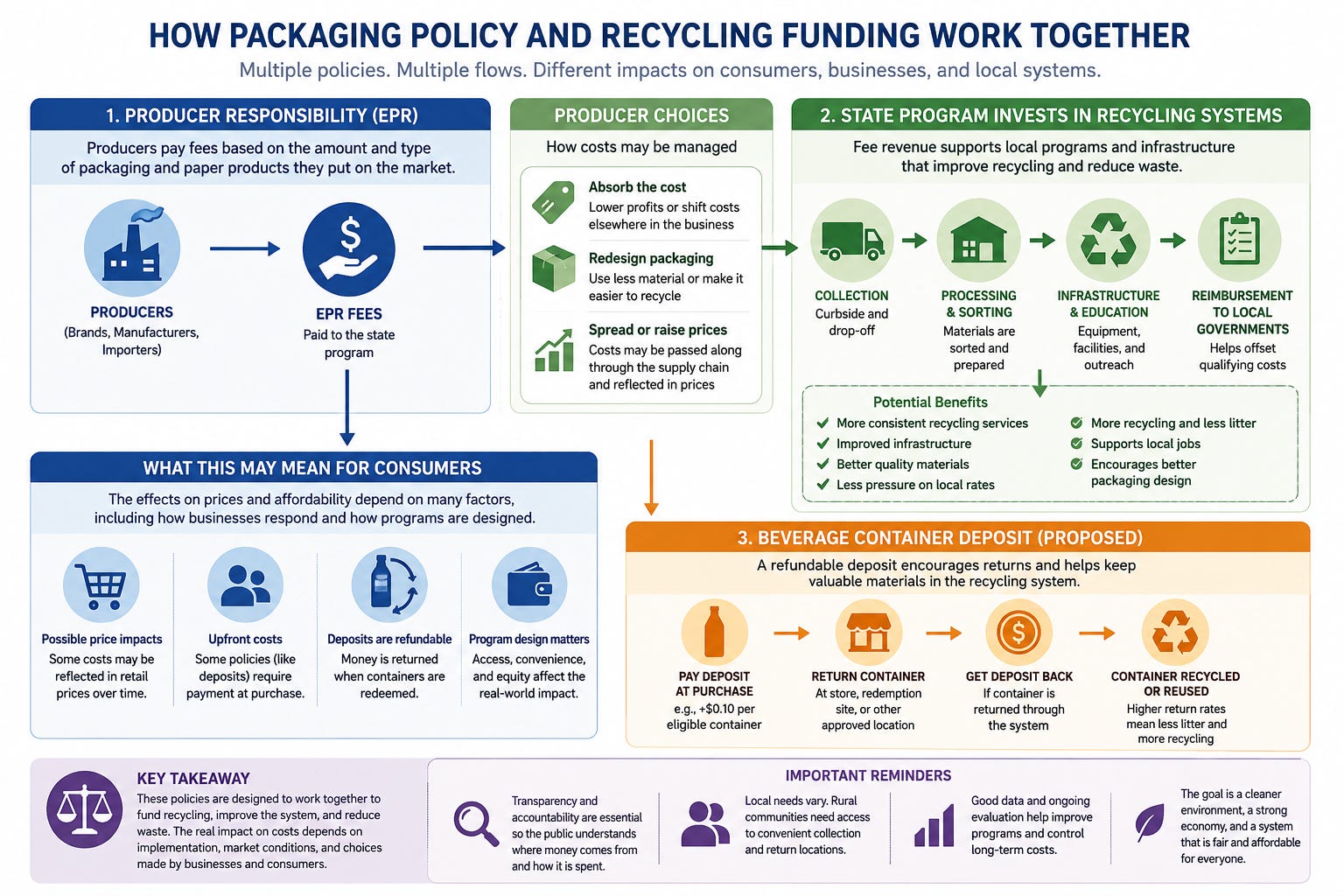
Producer Responsibility
Washington has adopted an extended producer responsibility system for residential packaging and paper products.
Under that model, companies that produce or sell covered packaging help finance the system used to collect and process those materials.
The basic argument is that the cost of packaging should not fall entirely on local utility customers and governments after the product has been sold.
Supporters believe the program can:
Provide more consistent recycling services.
Improve recycling infrastructure.
Encourage packaging that is easier to recycle.
Fund much of the cost of collecting and processing covered materials.
Reduce some pressure on local recycling rates.
Chapman raised the other side of the question.
A fee may be paid legally by a producer, but businesses can respond to that expense in several ways. They may absorb it, redesign packaging, reduce another cost, spread it across a larger market, or raise prices.
The effect will not be identical for every company or product.
But it is reasonable to expect that at least some costs could show up in consumer prices.
That is especially important for groceries, medicine, and household necessities.
At the same time, residents already pay for packaging after purchase through garbage and recycling rates, taxes, litter cleanup, contamination, and transportation.
The real question is not whether waste management costs money.
It already does.
The question is how those costs should be divided among producers, consumers, utility customers, and government, and what improvement residents receive in return.
Bottle Deposits
Chapman also discussed a proposed ten-cent deposit on certain beverage containers.
This is sometimes described casually as a bottle tax, but a refundable deposit works differently from an ordinary tax.
A customer pays an additional amount when purchasing a covered beverage and can recover that amount by returning the container through an approved system.
The goal is to increase container recovery, reduce litter, and create a cleaner recycling stream.
Even though the deposit is refundable, it still raises practical questions.
Residents pay the money upfront.
People who do not return containers lose the deposit.
Retailers and system operators need space, equipment, staff, transportation, fraud controls, and processing capacity.
Rural communities may have fewer convenient return locations.
A system that looks simple in Olympia may feel very different to someone who must drive a long distance to redeem containers.
Before a system like that moves forward, I would want clear answers about:
Where residents could return containers.
How the West End would be served.
How small retailers would be affected.
What happens to unclaimed deposits.
How the deposit system would interact with curbside recycling.
Whether removing valuable bottles and cans would increase the cost of processing what remains.
Those are not arguments against recycling. They are implementation questions that directly affect residents.
The Other Side of the Cost Discussion
Committee members also pointed out that producer funding may bring money into local recycling systems.
That could help Port Angeles and other service providers pay for collection, processing, education, and infrastructure.
If reimbursement works as intended, it could reduce some current costs or slow future rate increases.
The final effect on residents will depend on several things happening at once:
What producers pay.
What portion reaches consumer prices.
What local costs are reimbursed.
What investments local governments must make.
Whether packaging becomes easier to process.
Whether transportation and contamination costs fall.
The outcome is not yet clear.
That uncertainty should be explained honestly rather than replaced with a simple promise that residents will either save money or pay more.
What This Could Mean for Port Angeles
State recycling policy and the countywide plan may eventually affect Port Angeles Public Works operations.
Possible effects include:
Changes to accepted materials.
New education and labeling requirements.
Reporting and recordkeeping.
Contract changes.
Facility upgrades.
New contamination standards.
Reimbursement for qualifying recycling costs.
Changes in the value or destination of recovered materials.
New administrative or staffing responsibilities.
The timing is important.
Port Angeles is already moving forward with the compactor and baler.
Could that investment help the City meet future requirements?
Could it qualify for outside support?
Will the City need to spend money before reimbursement begins?
How will these changes affect utility rates?
Those are budget and policy questions for the Council.
Council’s role is not to tell Public Works how to operate the facility day to day. Our role is to review budgets, contracts, rates, capital investments, and policies with a clear understanding of the long-term costs and benefits.
Industrial symbiosis also connects with the City’s broader plans.
It relates to:
Economic development.
Industrial land.
Utility capacity.
Marine and freight transportation.
Climate and environmental stewardship.
Capital facilities.
Fiscal sustainability.
Regional and Tribal coordination.
A large industrial user can create jobs and utility revenue, but it may also require significant infrastructure.
A group of smaller, connected users may create a more diverse economic base, but shared systems can create dependency and risk.
Good planning requires us to look at both opportunity and obligation.
What I Will Be Watching as the Plan Develops
I recently wrote in an email response that people deserve a fair process, respectful treatment, and an honest explanation, even when a final decision is not the one they hoped for.
That obligation applies to solid-waste planning too.
As the plan develops and recommendations begin moving toward actual decisions, I will be focused on five broad questions.
What problem are we trying to solve?
Before supporting a new program, facility, fee, or regulation, I want a clear explanation of the problem and the result we expect.
Are we trying to reduce transportation costs, increase recycling, manage food waste, create a local market for woody material, improve access on the West End, or prepare for future population growth?
Different problems require different solutions.
Who has the authority and responsibility to act?
Solid-waste systems involve the County, cities, Tribal governments, the state, producers, private haulers, processors, businesses, and customers.
Residents should be able to understand which organization is making the decision, who will carry it out, and who will be accountable for the results.
What will it cost, and who will ultimately pay?
I will be looking at both startup costs and long-term operating costs.
I also want to know whether funding comes from utility rates, taxes, producer fees, grants, private investment, or some combination.
If reimbursement is expected later, residents should know who pays upfront, when the money is expected to return, and what happens if it does not arrive as planned.
What are the practical effects?
A policy may look good on paper but create different challenges once it reaches a collection route, transfer station, grocery store, small business, or rural household.
I will be watching how proposals may affect rates, prices, access, staffing, contracts, transportation, and public infrastructure.
How will the public be included?
Public participation should begin before every major choice has already been narrowed or settled.
Residents should have access to understandable information, know which decisions are still open, and have a meaningful opportunity to ask questions and offer input.
Public participation does not mean every speaker will receive the exact outcome requested. It does mean government should explain what it heard, what competing concerns were considered, and why a final decision was reached.
Looking Ahead
The Solid Waste Advisory Committee will continue reviewing the Comprehensive Solid Waste Management Plan at future public meetings.
The committee will also return to recycling, organics, contamination, affordability, and the effects of changing state law.
Industrial symbiosis is likely to continue appearing in that work.
I believe it belongs in the conversation.
The idea offers real possibilities:
Reducing disposal.
Lowering transportation costs.
Creating markets for local byproducts.
Supporting manufacturing.
Making better use of industrial land.
Creating jobs.
Reducing the amount of material treated as waste.
It also requires realism.
Not every material has a market.
Not every technically possible project will be affordable.
Not every grant-supported idea will become a lasting business.
Not every reuse proposal will meet environmental standards.
Good planning should be ambitious enough to identify opportunities and careful enough to recognize the risks.
The contents of a garbage cart may look like the end of a product’s life.
In reality, they are part of a larger network of public services, private markets, environmental responsibilities, household costs, and industrial opportunities.
The question is not simply where our garbage goes.
It is what we are paying to move and dispose of, what value may still remain in those materials, and whether we can build a system that protects the environment without losing sight of affordability.
That is a conversation worth continuing.
Meeting Recording
The recording of the July 22, 2026 Solid Waste Advisory Committee meeting is not currently available, so I am not able to share it here.
I have based this recap on the committee agenda packet, the meeting transcript, and my own notes from attending the meeting. I will add the recording later if it becomes publicly available.